Cretan honey is much more than a natural sweetener; it is a product deeply connected to the island’s landscape, traditions and way of life. With a beekeeping history stretching back thousands of years, Crete has developed a remarkable reputation for producing honey with distinctive aromas, rich flavours and a strong sense of place. The secret lies in the island’s extraordinary biodiversity, its sunny Mediterranean climate and the abundance of wild herbs and trees that provide food for bees. Crete is home to around 1,800 plant species, approximately 180 of which are endemic, creating a diverse natural environment that helps give local honey its unique character. From the rugged mountains to the coastal hillsides, the island’s flora provides the foundation for a product that reflects the very essence of the Cretan countryside.
One of the most famous varieties is Cretan thyme honey, prized for its intense herbal aroma, amber colour and distinctive flavour. Thyme grows naturally across much of the island, from coastal areas to mountainous landscapes, and its flowers provide bees with highly aromatic nectar during the warm summer months. However, Cretan honey is far from a one-variety product. Local beekeepers also produce pine honey, orange blossom honey, heather honey, chestnut honey and honey from other wildflowers and aromatic plants. Each variety has its own personality: orange blossom honey is delicate and floral, pine honey tends to be darker and less sweet, while heather honey is known for its rich colour and more robust flavour. There is no single fixed number of varieties, as production depends on the botanical origin, location and season, but these different types offer a fascinating introduction to the island’s natural diversity.
Perhaps the most distinctive expression of this diversity is Pefkothymaromelo Kritis, a naturally occurring blend of thyme and pine honey that has been recognised as a Protected Designation of Origin (PDO) product by the European Union. This special combination brings together the fragrant character of thyme nectar and the milder, woody notes of pine honeydew. Its production depends on the relationship between the island’s vegetation, its climate and the experience of local beekeepers, who understand how to manage their hives to obtain the desired characteristics. The result is a thick, aromatic honey with balanced sweetness and a lingering flavour. The PDO designation also helps protect the product’s identity and geographical origin, distinguishing it from similar blends produced elsewhere. It is a fine example of how Crete’s natural environment and generations of traditional knowledge can come together to create something genuinely distinctive.
Beyond its culinary appeal, honey plays an important role in Crete’s rural economy. Beekeeping supports local producers, family businesses, honey-processing operations and shops selling traditional Cretan products. It also creates opportunities for small-scale entrepreneurship, allowing producers to build their own brands around local varieties, traditional methods and the quality of their ingredients. Cretan honey can reach consumers through farmers’ markets, specialist food shops, online stores and exports, bringing income to communities beyond the island’s main urban centres. Its economic value also extends to agriculture and the environment: bees contribute to the pollination of flowering plants, supporting biodiversity and the resilience of natural ecosystems. Although the overall economic contribution of Cretan honey is not captured by a single widely available figure, its importance is evident in the connection between beekeeping, local livelihoods and the island’s agricultural heritage.
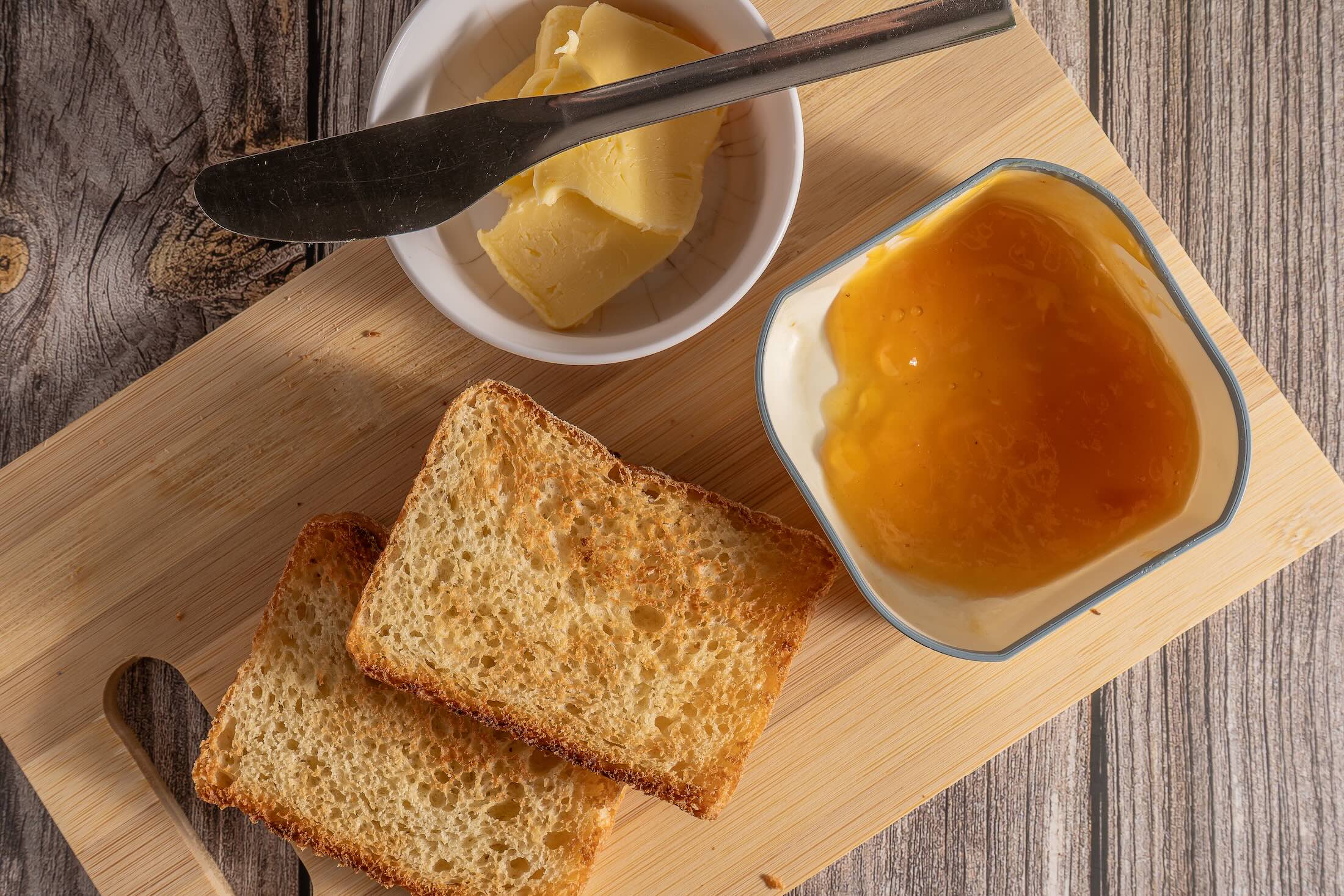
Cretan honey also has an important place in the island’s tourism experience. Visitors increasingly seek authentic local products that help them understand the destinations they explore, and honey offers a direct connection to Crete’s landscape, food culture and traditions. A jar of thyme honey bought from a village producer can become a meaningful souvenir, while tasting different varieties can introduce travellers to the island’s aromatic herbs and regional flavours. Honey also fits naturally into culinary tourism, appearing at breakfast tables, in traditional recipes and alongside local cheeses, yoghurt and pastries. Beekeeping-related experiences, farm visits and tastings can provide additional opportunities for visitors to meet producers and discover how local food is made. By connecting tourism with small producers and rural communities, Cretan honey helps encourage visitors to explore beyond the familiar beaches and busy resorts, discovering a more authentic side of the island.
Ultimately, the uniqueness of Cretan honey comes from the combination of nature, tradition and human expertise. Its variety reflects the island’s rich flora, while its distinctive aromas and flavours tell the story of the plants, seasons and landscapes from which it originates. At the same time, beekeeping remains closely connected to the preservation of local knowledge, rural livelihoods and the natural environment. As climate change, drought and changing flowering seasons create challenges for bees and producers, protecting this heritage becomes increasingly important. Choosing locally produced Cretan honey is therefore not simply a way to enjoy a delicious natural product; it can also be a way to support local communities and appreciate the island’s agricultural traditions. Whether enjoyed at breakfast, used in a traditional recipe or taken home as a souvenir, Cretan honey offers a small but memorable taste of Crete itself.